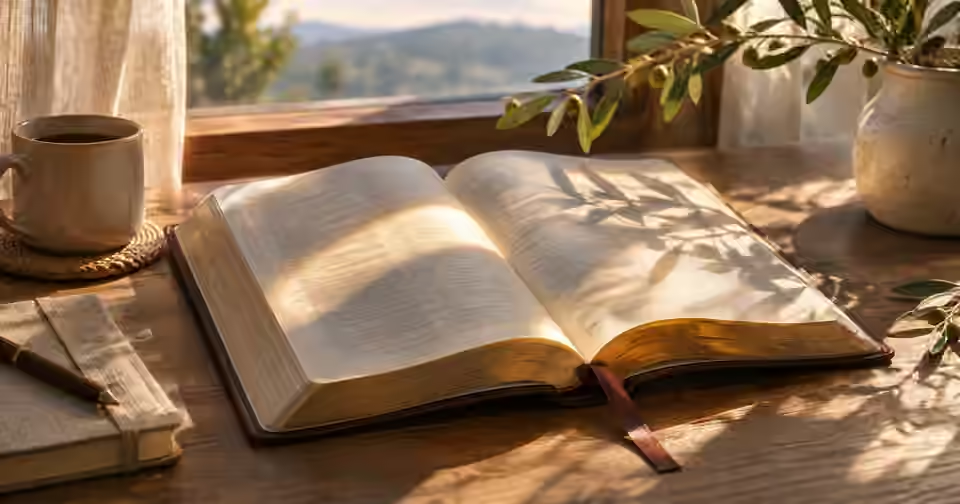
The Book of Psalms gives readers words for experiences that can be difficult to describe: gratitude, fear, wonder, grief, anger, and trust. Its poems do not all sound alike. Some celebrate; others question, protest, or plead. That range is part of what makes Psalms a helpful place to begin reading the Bible.
The simplest way to start is to read one complete psalm as a poem. Notice who is speaking, what changes as the poem unfolds, and which images or ideas return. You do not need to understand every historical reference before you can begin asking good questions.
What is the Book of Psalms?
Psalms is a collection of 150 ancient Hebrew poems, songs, and prayers. It belongs to the Writings in the Jewish Bible and is commonly placed among the poetic or wisdom books in Christian Old Testaments. The collection comes from different periods and voices. Many psalms are associated with David in their headings, but not all are attributed to him.
The book also has a larger shape: it is arranged into five sections, with Psalms 1 and 2 functioning as a kind of introduction and the final psalms building toward praise. These are useful features to notice without forcing every individual poem into a single storyline.
Know the different kinds of psalms
A psalm is not always a cheerful song. Different poems serve different purposes, and some combine more than one type.
- Lament: A speaker names trouble and calls for help. Psalm 13 is a concise place to observe questions, appeals, and a change in tone. Psalm 88 reminds readers that a lament does not have to end with an easy resolution.
- Praise: A poem draws attention to God's character or actions. Psalm 100 and Psalm 150 provide clear examples of invitations to praise.
- Thanksgiving: A speaker recalls help received and responds with gratitude. Psalm 30 includes both distress and thanksgiving.
- Wisdom and reflection: Some poems consider how to live. Psalm 1 contrasts two ways of life through a memorable image.
- Pilgrimage and communal song: Psalm 121 belongs to the collection called the Songs of Ascents (Psalms 120-134). Its images and assurances can be read in the context of that group.
These labels are reading aids, not rigid boxes. A poem may move from complaint to confidence, or mix remembrance with praise. Yale Bible Study emphasizes the wide emotional range of Psalms, while BibleProject traces the collection's interplay of lament and praise.
Read the poetry, not just an isolated verse
Hebrew poetry often connects neighboring lines through repetition, contrast, or a developing image. This is frequently called parallelism. The second line may echo the first, sharpen it, or move the thought forward; it is not necessarily saying exactly the same thing.
Look at how Psalm 1 develops the image of a tree and a contrasting image of what does not endure. Rather than treating each picture as a literal prediction, ask what the images contribute to the poem's comparison. In Psalm 23, notice how the scenes and relationship between speaker and God change as the poem progresses.
If you compare English Bible translations, differences in line breaks and word choices may change what you notice. Read the surrounding lines before deciding that one phrase settles the meaning. BibleProject's introduction to biblical poetry explains why imagery and poetic structure matter.
A practical method for reading one psalm
- Read the whole psalm. Check its opening and closing rather than starting with a favorite line.
- Identify the voice. Who is speaking or being addressed? Is this an individual prayer, a call to a community, or a poem about someone else?
- Follow the movement. Does the tone stay steady, or shift from distress to appeal, memory, gratitude, or praise?
- Mark one image or repetition. Ask why the poet returns to that word or picture.
- Keep a real question. If the historical background, difficult language, or theological claim is unclear, record it and consult a trustworthy study resource.
For example, try this method with Psalm 13. Notice how the speaker's questions lead into an appeal and then into a different final tone. You can describe that progression without assuming that every reader's suffering follows the same pattern.
Which psalm should I read first?
Choose according to the kind of writing you want to encounter, not a required sequence.
- Psalm 1: Wisdom and a sustained comparison.
- Psalm 13: A short lament that changes direction.
- Psalm 23: Vivid imagery and the voice of trust.
- Psalm 88: A difficult lament that resists a tidy ending.
- Psalm 121: A song associated with the Songs of Ascents.
- Psalm 150: Praise at the close of the collection.
You can also begin with Psalm 1 and continue into Psalm 2 to see how the book introduces recurring themes. There is no need to finish a fixed reading plan before returning to a passage that raises questions.
Frequently asked questions
Did David write every psalm?
No. Many psalm headings connect poems with David, but other headings name different figures or groups, and some psalms have no named author. A heading's wording and historical implications can also be interpreted differently. Do not assume the whole collection has one author.
Are the Psalms only for happy occasions?
No. Lament, protest, grief, and unanswered questions are prominent parts of the collection. Reading those poems as poems of prayer prevents an overly narrow picture of biblical faith.
Can I use a psalm as a prayer?
Many Jewish and Christian communities have used psalms in personal and communal prayer. If you choose to do so, first attend to the poem's original voice and setting. You can reflect on its words without pretending every line directly describes your circumstances.
Keep the surrounding context in view
Psalms can stand alone as poems, but they also belong to a collected book with its own shape and history. Begin with a whole poem, then look at neighboring psalms or a study introduction when questions arise. Good reading makes room for both the text's ancient setting and the questions you bring to it.
If you are new to Scripture generally, see Where should beginners start in the Bible?. For help with a difficult line, use How to understand a Bible verse in context, or return to How to start reading the Bible.